
menu
What makes one robotics company memorable while dozens of technically capable competitors struggle to stay top of mind?
Many robotics leaders assume the answer is better technology, stronger performance metrics, or more advanced capabilities. Those factors certainly matter. But in practice, enterprise buyers rarely make decisions based on technical specifications alone.
The robotics industry is entering a new phase of maturity. Buyers are no longer evaluating robotics as an emerging innovation category. They are evaluating it as an operational investment. They are asking different questions. Can this solution be trusted? Will it integrate into existing workflows? What happens if deployment fails? Who will support it over the next five years? The challenge is not awareness. It is confidence. This is where branding becomes misunderstood.
In robotics, branding is often viewed as a visual exercise. A logo. A website. A messaging refresh. Yet the companies that consistently earn attention, trust, and adoption treat branding as something much larger. They view it as a system for reducing uncertainty throughout the buying journey.
At Robo Success, we work with robotics companies from an adoption-first perspective. The goal is not simply to generate visibility. The goal is to help organizations build trust, accelerate buyer understanding, and create market positions that support long-term growth.
In a market where purchasing decisions involve multiple stakeholders, operational risk, and lengthy evaluation cycles, memorable brands are rarely the loudest. They are the clearest.
Description: Strategic illustration showing the relationship between trust, adoption, operational risk reduction, stakeholder alignment, and long-term robotics growth.
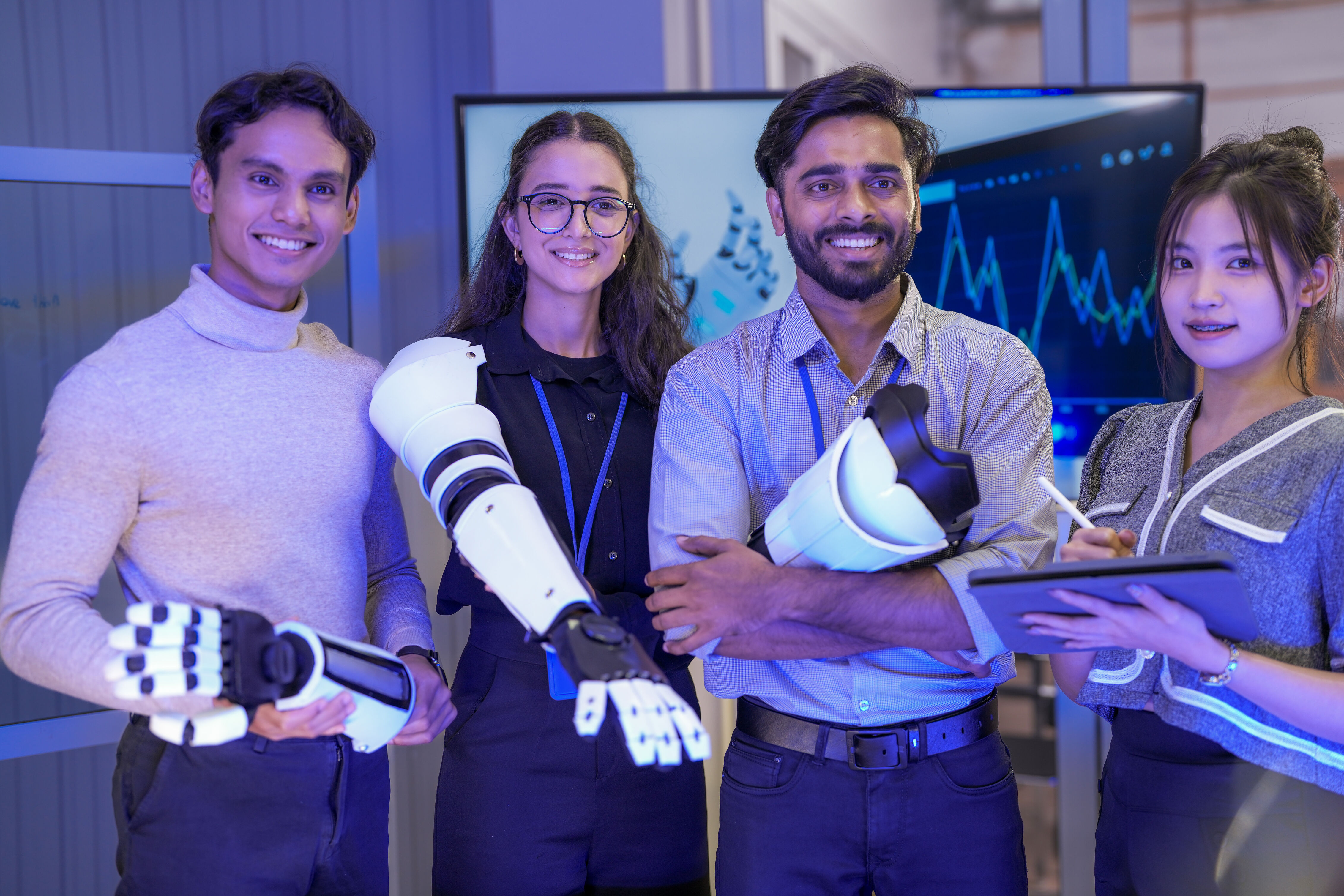
The robotics industry is producing remarkable technological advancements.
Autonomous mobile robots are transforming warehouse operations. Humanoid robotics companies are attracting significant investment. AI-enabled robotics platforms continue to expand the range of tasks machines can perform. Industry leaders increasingly describe the sector as moving from experimentation toward commercialization. Yet despite this progress, many robotics companies face a common challenge.Potential buyers struggle to differentiate between vendors.To an enterprise buyer evaluating ten robotics companies, many websites sound similar. Many product descriptions appear interchangeable. Many claims focus heavily on capabilities while offering limited context around outcomes, deployment realities, or operational impact.
As a result, technical differentiation often becomes invisible.Buyers remember companies that help them understand the problem, not just the solution.The strongest robotics brands position themselves as category educators rather than product promoters. They help prospects make sense of market shifts, implementation challenges, organizational readiness, and expected outcomes.That educational role creates something far more valuable than awareness.It creates credibility.
Every enterprise robotics purchase is ultimately a risk management decision. The buyer may be excited about automation opportunities, but they are also responsible for protecting operations, budgets, safety standards, workforce adoption, and organizational performance.This is particularly true in robotics because deployment decisions often affect physical environments rather than purely digital systems.A robotics solution can influence production schedules, facility workflows, employee responsibilities, compliance requirements, and customer outcomes.
As a result, buyers evaluate more than functionality.They evaluate confidence.Research across robotics and human-machine interaction consistently shows that trust, safety, reliability, transparency, and predictability play critical roles in adoption decisions. Memorable robotics brands understand this dynamic. Instead of asking, "How do we explain our technology?"They ask, "How do we reduce uncertainty?"
- It influences messaging.
- It influences case studies.
- It influences content strategy.
- It influences sales conversations.
Most importantly, it influences how buyers perceive risk.
One of the biggest misconceptions in robotics is that branding belongs exclusively to marketing.In reality, branding is a commercialization function.Every touchpoint contributes to brand perception:
Buyers form opinions long before they speak with sales. By the time a purchasing committee enters active evaluation, many perceptions have already been established.A strong robotics brand creates consistency across every interaction.
Technology categories evolve through narratives. Enterprise software companies that succeeded during cloud adoption did not simply sell software. They helped organizations understand digital transformation. Cybersecurity leaders did not merely sell protection. They educated buyers about emerging risks.
The same principle applies to robotics.
The companies that become category leaders are often those that shape how buyers think about the future. They create frameworks.
They define market problems. They establish evaluation criteria. They provide language that customers use internally when discussing adoption. This matters because enterprise purchasing is rarely driven by a single individual.Operations leaders, engineers, finance teams, procurement teams, executives, and implementation stakeholders often participate in the decision process.A compelling narrative creates alignment among these groups. Without narrative clarity, stakeholders interpret value differently. With narrative clarity, organizations move toward consensus faster.
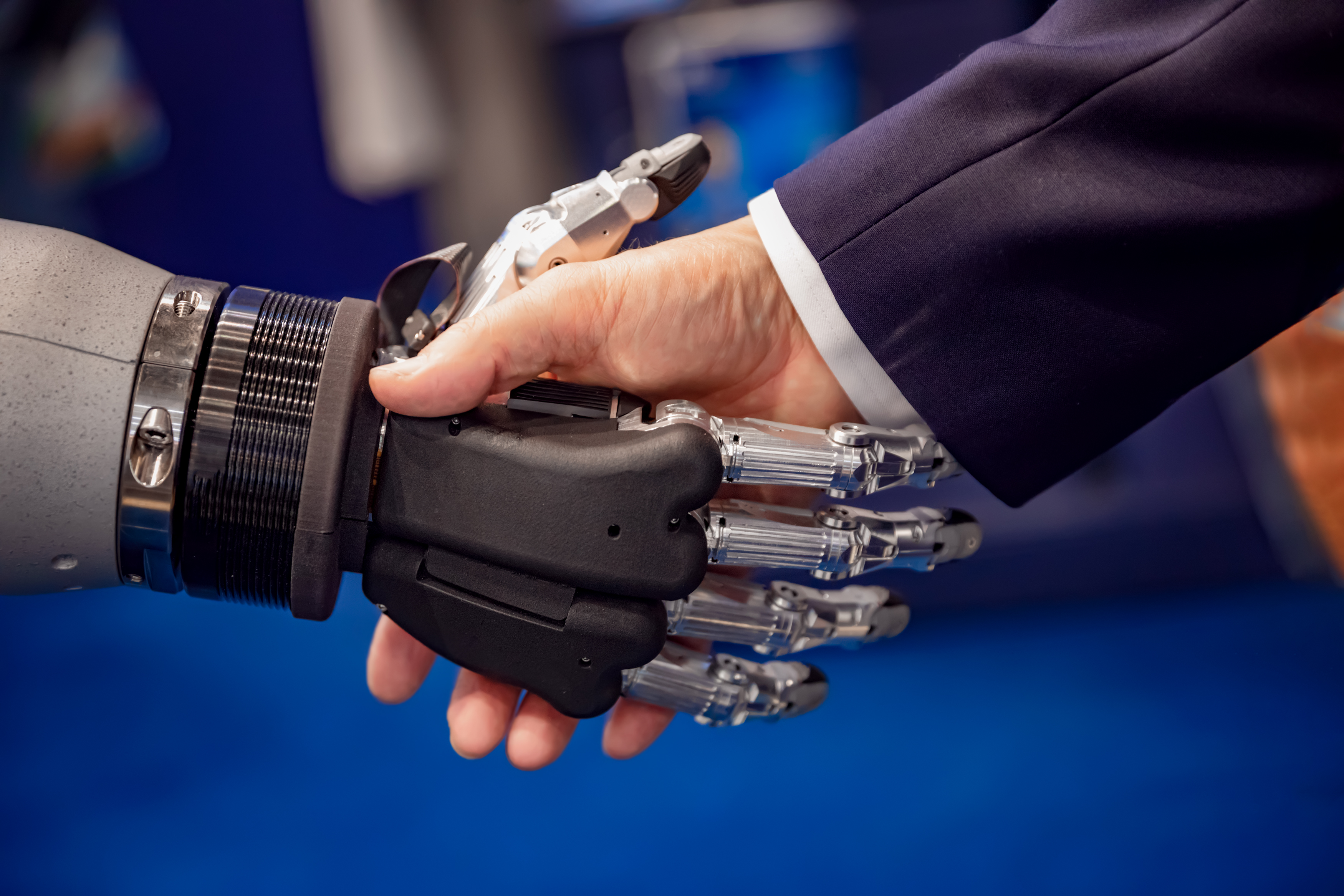
A growing body of research suggests that trust is becoming one of the most important factors influencing technology adoption.
Organizations such as the National Institute of Standards and Technology (NIST) AI Risk Management Framework increasingly emphasize trustworthiness, risk management, governance, transparency, and responsible deployment as foundational requirements for technology adoption.
This trend is particularly relevant for robotics.As robotics systems become more autonomous, buyers are evaluating more than performance metrics. They are assessing operational resilience, governance practices, safety standards, support infrastructure, and long-term vendor reliability.Industry observations consistently show that successful robotics deployments depend not only on technical capability but also on organizational confidence and stakeholder readiness. For robotics companies, this creates an important strategic opportunity.Trust is no longer simply a byproduct of success.Trust itself has become a differentiator.
Many robotics companies focus on individual campaigns, a trade show, a product launch, or a funding announcement.Those moments matter, but strong brands are built through consistency.They regularly share insights, tell customer success stories, contribute to industry conversations, and help buyers better understand the market.Over time, that consistency builds familiarity and trust. So when a prospect is finally ready to buy, the company is already known, respected, and remembered.
Read more about the concept of mental availability from the Ehrenberg-Bass Institute for Marketing Science, whose research has influenced how many modern companies think about brand growth and buyer recall.
Many robotics companies believe buyers remember the best technology. In reality, buyers remember the companies that make complex decisions easier. They remember the companies that reduce uncertainty. They remember the companies that educate rather than overwhelm. They remember the companies that consistently demonstrate trustworthiness, operational understanding, and long-term commitment.As robotics continues moving from innovation to commercialization, branding will increasingly become a strategic growth function rather than a marketing exercise.
The organizations that recognize this shift early will be better positioned to earn trust, accelerate adoption, and establish lasting market leadership.
For teams evaluating how their positioning supports commercialization, the resources available through robotics marketing and growth strategy insights can help frame branding through the lens of adoption, trust, and long-term market development.
Branding helps robotics companies reduce buyer uncertainty, communicate value clearly, and build trust across complex purchasing committees. In enterprise robotics, strong branding supports adoption as much as technical performance.
Robotics branding must address physical deployment risks, operational impact, safety considerations, workforce adoption, and long-term support requirements. The buying process is often more complex than traditional software purchases.
Clarity, consistency, trustworthiness, and educational leadership. Buyers remember companies that help them understand problems and outcomes, not just products.
Startups can differentiate through focused positioning, category expertise, customer education, and clear narratives that address specific industry challenges better than broader competitors.
Thought leadership helps companies build credibility, educate buyers, shape market conversations, and establish trust before active purchasing discussions begin.
Brand development is a long-term process. The strongest robotics brands are built through consistent market education, customer success, and strategic positioning over time rather than short-term campaigns.
Let's build something revolutionary - together