
menu
Robotics is moving from programmed machines toward systems that can perceive, reason, and act in changing physical environments. That shift is bigger than a technical upgrade. It changes what robotics companies need to prove to customers.
Physical AI can enable robots to adapt beyond tightly scripted workflows, but greater autonomy also introduces new questions around reliability, deployment, safety, and operational fit.
For robotics companies, the opportunity is not simply to build more capable machines. It is to make those capabilities understandable, deployable, and commercially defensible. That is where Robo Success takes an adoption-first approach to growth.
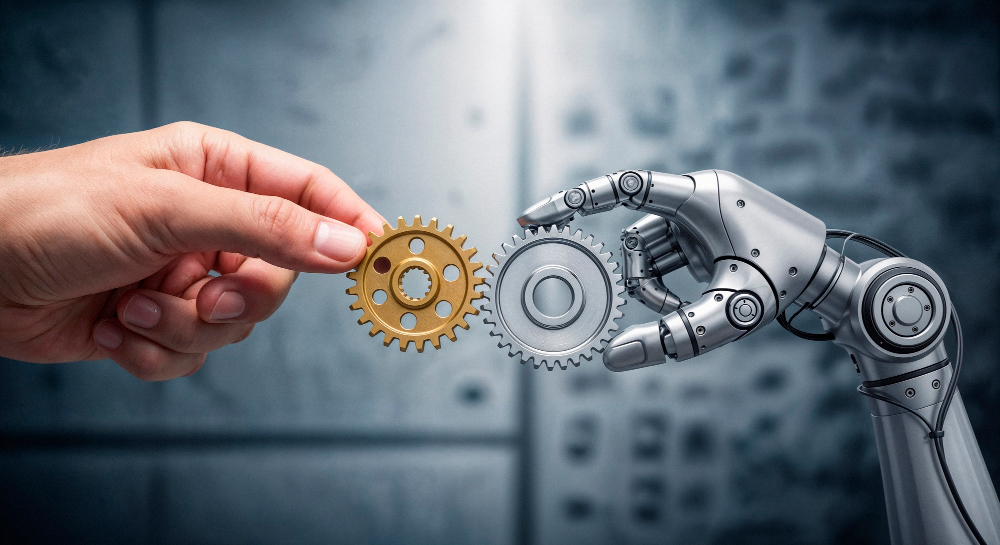
Traditional automation is usually designed around predictable inputs and predefined actions. Physical AI expands the possibility of robots operating in environments where conditions change and decisions must happen in real time.
That distinction matters commercially. The value of a more adaptive robot is not that its technology is more sophisticated. The value is that it may perform useful work across environments that previously required extensive programming or process redesign.
NVIDIA describes physical AI as systems that perceive, understand, reason, and act in the physical world.
More capable robots do not automatically create easier enterprise sales.
As autonomy increases, buyers have more to evaluate. Engineering teams may focus on performance and integration. Operations leaders care about reliability and workflow disruption. Executives want measurable business impact. Risk and compliance teams may ask entirely different questions.
This means robotics companies increasingly need a commercial narrative that connects technical capability to operational consequences.
The strongest companies will not simply demonstrate what their robot can do. They will explain why that capability matters inside a customer's existing system.
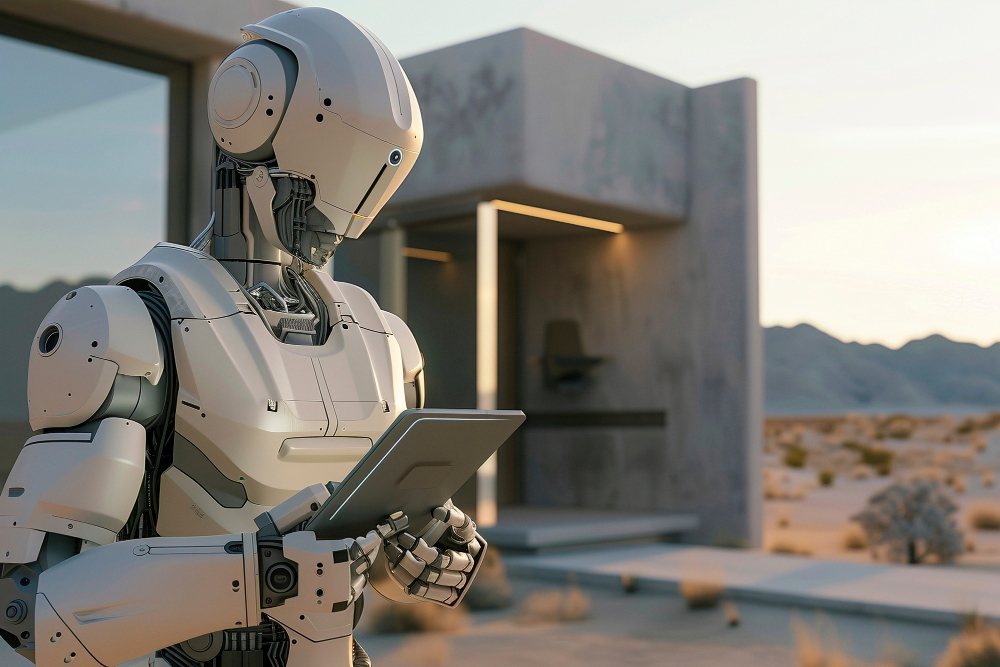
Physical AI makes deployment more important, not less.
A robot that performs well in a controlled demonstration still has to operate around people, equipment, unpredictable environments, and changing workflows. Development therefore increasingly depends on simulation, training data, testing, and validation before systems reach production.
For GTM teams, this creates a useful shift in thinking: deployment readiness becomes part of the product story.
Customers need evidence that the technology can move from impressive demonstration to repeatable operation.
As physical AI matures, technical differentiation may become harder to communicate.
If multiple companies can offer robots that perceive environments, learn tasks, or adapt to changing conditions, buyers will increasingly compare what happens after deployment.
That creates a different competitive question: Which company can make autonomy useful in the customer's environment with the least organizational friction?
For robotics leaders, that means market education, implementation evidence, and clear positioning become increasingly important alongside engineering performance.
If your company is entering this transition, the right question is not only how to market a smarter robot. It is how to build a commercial system around what that intelligence enables.
The rise of physical AI is also changing how robotics systems are developed. NVIDIA's current robotics architecture spans AI training, simulation, and on-robot inference, reflecting the growing importance of connecting development environments with real-world deployment.
That has commercial implications. As development becomes more iterative and simulation-driven, robotics companies can potentially improve how they demonstrate readiness before deployment. The competitive advantage may increasingly come from the ability to connect learning, validation, deployment, and customer outcomes into one repeatable system.
Physical AI should not become another marketing label placed on top of an existing robotics story.
The companies that benefit most will translate the technology into a clearer answer to the buyer's fundamental question: What becomes possible now that was difficult or impossible before?
That answer should shape positioning, sales conversations, customer evidence, and market education.
A stronger physical AI strategy starts with the customer's operational problem, then works backward to the intelligence required to solve it.
Physical AI refers to AI systems that perceive, reason about, and act within the physical world. In robotics, this can enable more adaptive behavior than tightly scripted automation.
It shifts the focus from fixed task automation toward adaptable systems, increasing the importance of data, simulation, deployment, and continuous learning.
Greater adaptability can expand the environments and workflows where robots are useful, but enterprises still need confidence around reliability, integration, safety, and measurable outcomes.
Not necessarily. Traditional automation remains highly effective for stable, repetitive processes. Physical AI is particularly relevant where environments or tasks require greater adaptability.
They should connect technical capabilities to operational outcomes and provide evidence that those capabilities can be deployed reliably in real environments.
Let's build something revolutionary - together